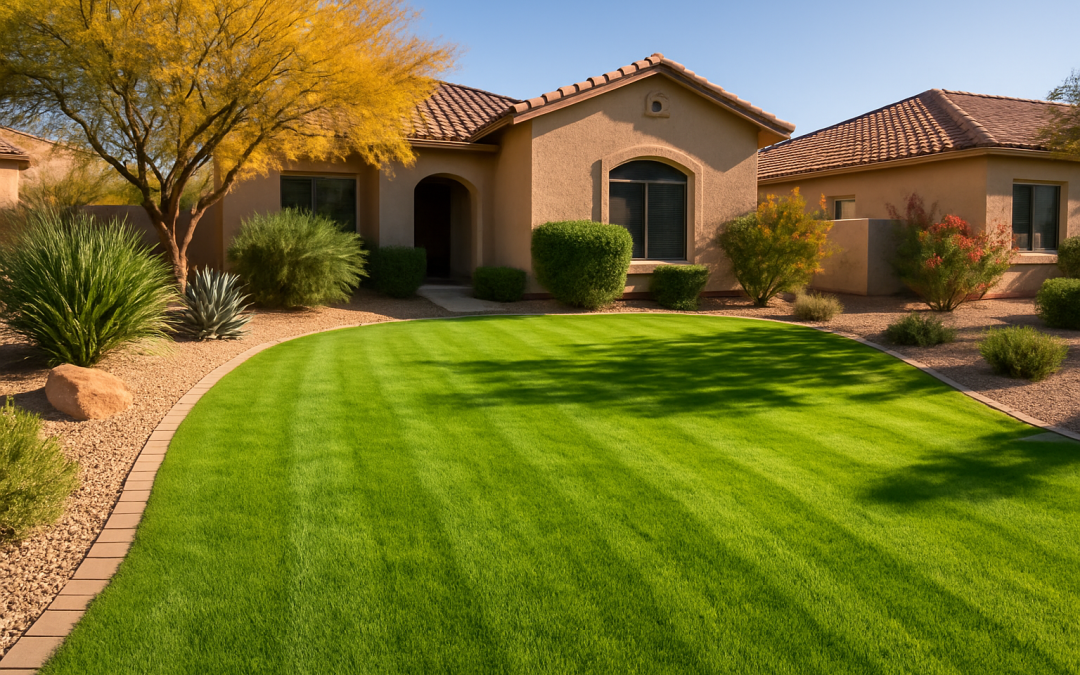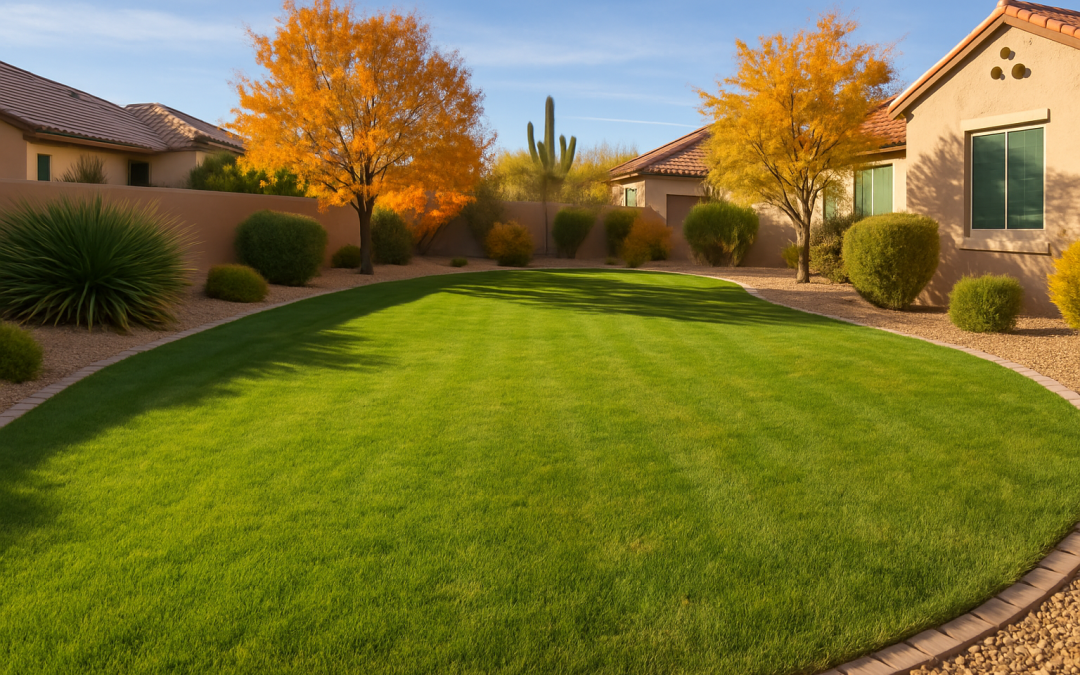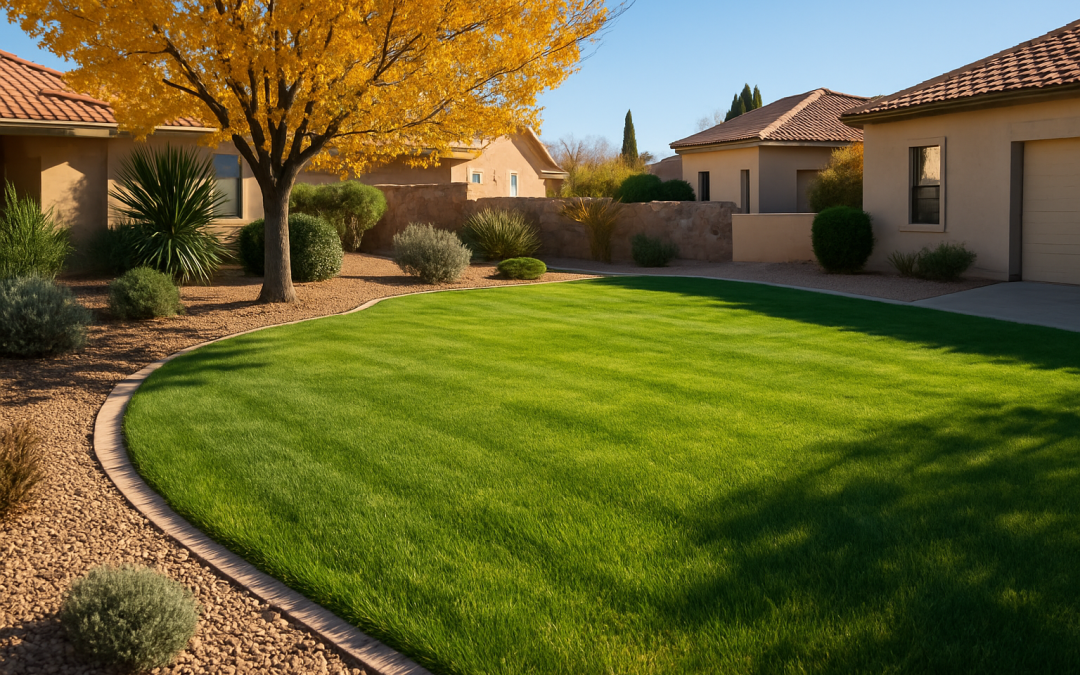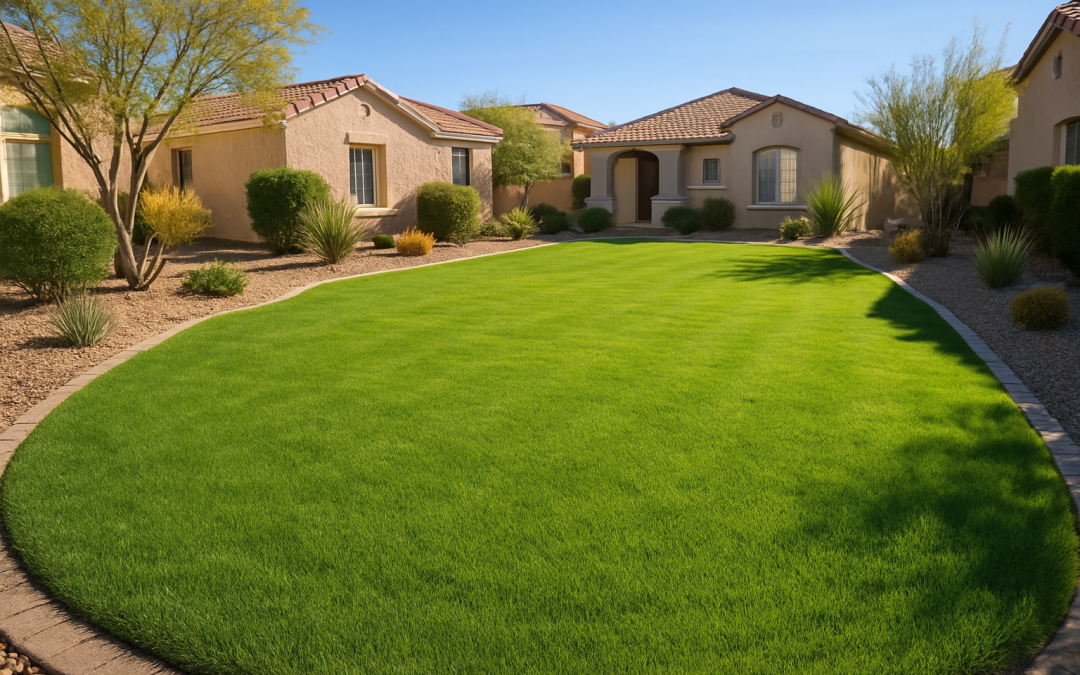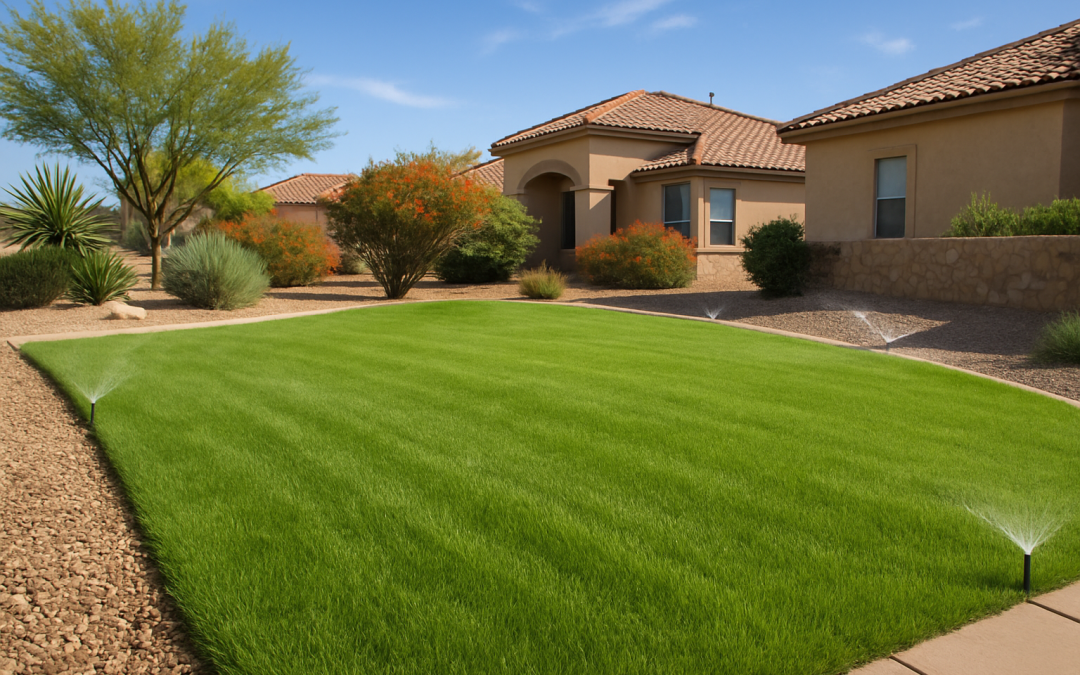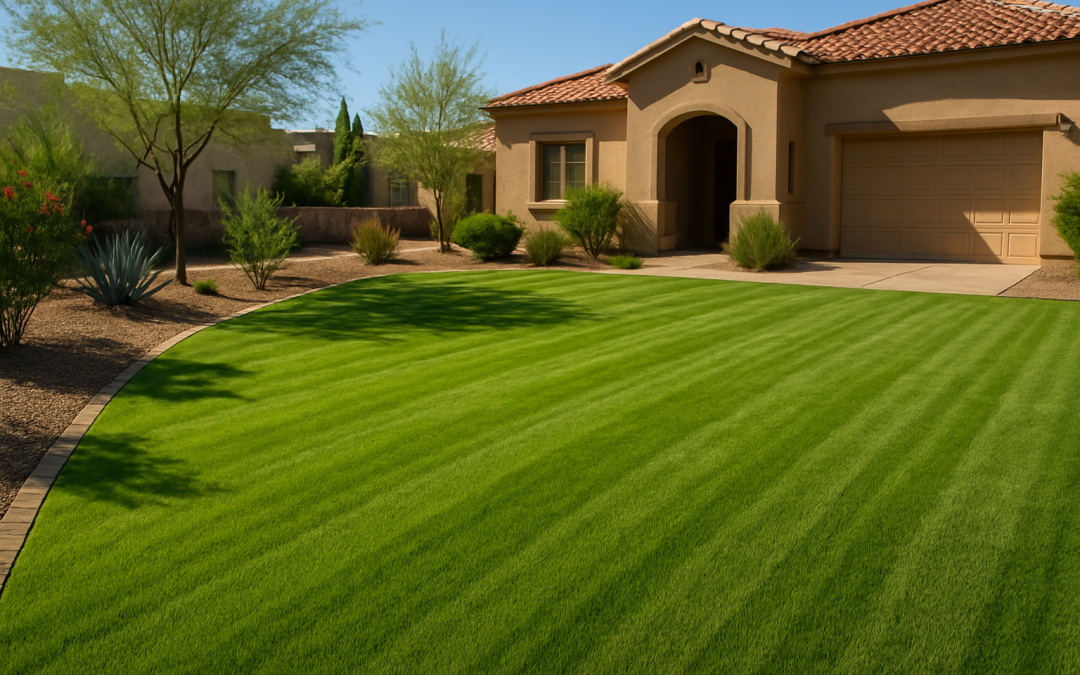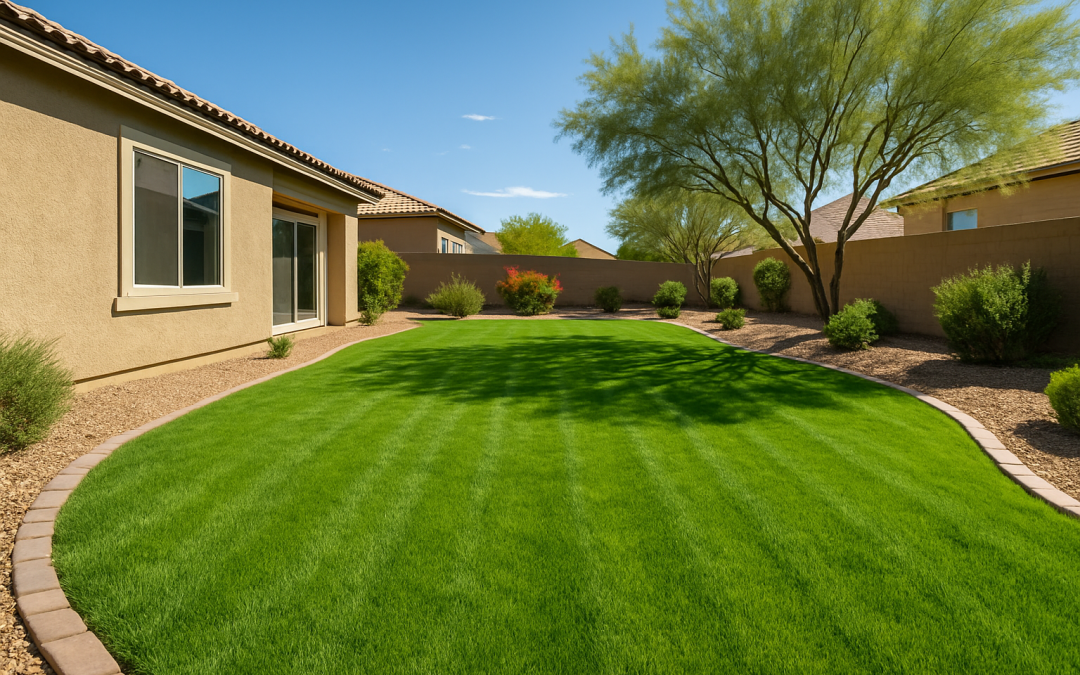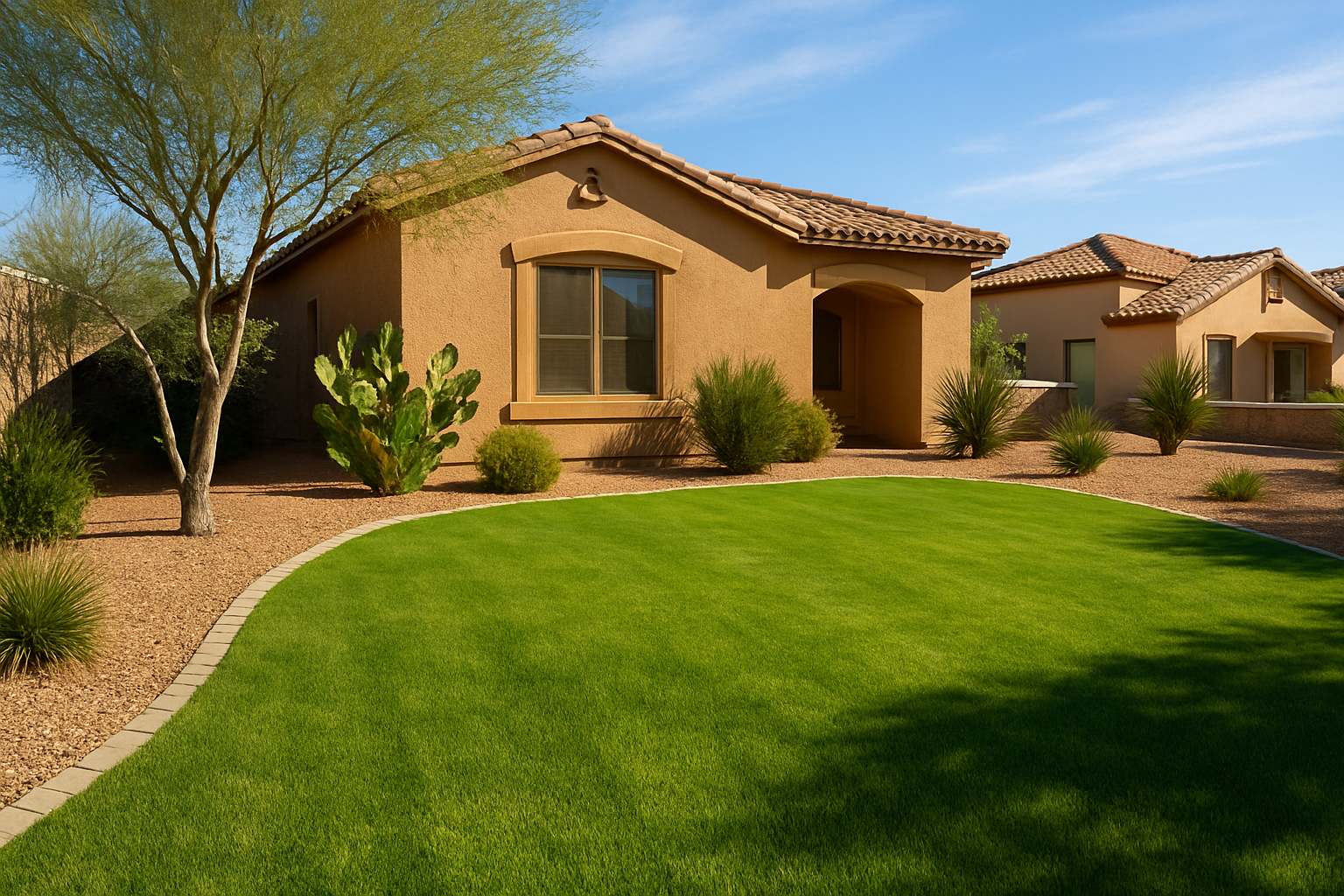
If you’ve been dreaming about a lush, green lawn that holds its color through the cooler months, fall in El Paso is the season to make it happen. The high desert’s intense summer heat has finally loosened its grip, daytime temperatures are settling into a range that grass roots love, and the soil is still warm enough to encourage quick establishment. For homeowners across the region, this is the planting window you don’t want to miss.
Why Fall Is the Best Time for Cool-Season Sod in the High Desert
Cool-season grasses, as the name suggests, do their best growing when temperatures are moderate — generally between the mid-50s and mid-70s Fahrenheit. In El Paso and the surrounding communities like Las Cruces, NM and Horizon City, TX, those conditions typically arrive sometime in mid to late September and can last well into November, depending on the year.
Planting during this window gives your new sod several advantages. The soil retains warmth from summer, which encourages root development even as air temperatures cool. Evaporation rates drop compared to July and August, so your irrigation goes further. And because most broadleaf weeds and summer annuals are winding down their growth cycle, your new sod faces less competition as it settles in.
Contrast that with a spring planting: you’d be racing against rising temperatures, battling aggressive weed germination, and asking new roots to survive their first El Paso summer — a tall order. Fall gives cool-season sod the gentlest possible introduction to high-desert life.
Choosing the Right Grass: Tall Fescue for Year-Round Green
For homeowners who want a lawn that stays green throughout the year — not just during the warm months — tall fescue is generally the go-to choice in the high desert. It’s a cool-season grass with deep roots and surprisingly good heat tolerance for its category, which is why it performs well in the transitional climate around El Paso, Anthony, TX, and Santa Teresa, NM.
Siempre Verde Fescue is a tall fescue blend that’s well suited to our region. It offers a rich, dark green color, a fine-to-medium blade texture, and the kind of density that feels good underfoot. Because it’s a cool-season grass, it stays actively growing through fall, winter, and spring. During the hottest weeks of summer, it may show some stress, but with proper irrigation and mowing practices, most homeowners find that it pulls through without major issues.
Tall fescue is also a solid choice for yards that have a mix of sun and shade. Many El Paso properties have areas shaded by walls, patios, or trees where warm-season grasses tend to thin out. Fescue generally handles those partial-shade spots much better.
What About Bermuda? Planning Ahead for Spring
If you’re leaning toward a warm-season lawn instead, Bermuda is the other major option we carry, and it’s worth understanding how it fits into the fall timeline. Bermuda goes dormant as temperatures drop, so fall isn’t typically the recommended season to lay new Bermuda sod — spring and early summer are better windows for that.
However, if you already have an established Bermuda lawn, fall is an excellent time to overseed it with perennial ryegrass for winter color. Ryegrass germinates quickly in the mild fall weather and keeps your yard green while the Bermuda sleeps underneath. When spring warmth returns, the Bermuda wakes up and gradually reclaims the turf. If you’re interested in this approach, take a look at our Overseed Bermuda sod, which comes pre-overseeded and ready to lay.
For those who want to explore Bermuda options for a future spring project, we also carry TifTuf Bermuda and standard Bermuda sod, both of which thrive in the high desert’s long, hot growing season. Fall is actually a great time to start planning and prepping your yard for a spring Bermuda project — more on soil prep below.
For a broader look at seasonal lawn transitions, our guide on transitioning your El Paso lawn into fall covers the basics of shifting your care routine as temperatures change.
Preparing Your Soil: The Step That Makes or Breaks Your Lawn
No matter which grass you choose, soil preparation is the single most important factor in whether your new sod takes hold quickly or struggles. High-desert soils in the El Paso area — and across the border region into Las Cruces and beyond — tend to be alkaline, low in organic matter, and often compacted. You can’t just roll sod out on top of hardpan caliche and expect good results.
Clear and Grade the Area
Start by removing any existing vegetation, rocks, and debris. If you’re replacing an old lawn, strip the dead or dying turf down to bare soil. Then rough-grade the area so it slopes gently away from your home’s foundation. Even a slight grade — a few inches over a span of several feet — helps prevent water from pooling against the house.
Amend the Soil
High-desert soil almost always benefits from organic amendments. A two- to three-inch layer of quality compost worked into the top four to six inches of native soil can dramatically improve water retention, drainage, and nutrient availability. This is especially important for tall fescue, which develops a deeper root system and needs soil that allows roots to penetrate rather than hit a wall of compacted earth.
If your soil is extremely compacted, consider core aerating before you amend. Core aeration pulls small plugs out of the ground, loosening the soil structure and allowing amendments, water, and air to penetrate more effectively. Fall is an ideal season for aeration projects in our area.
Level and Firm the Surface
After amending, rake the surface smooth and use a lawn roller (partially filled with water) to firm it lightly. You want the soil to be level and slightly firm — not so compacted that roots can’t push through, but not so fluffy that the sod sinks unevenly after watering. The finished soil surface should sit about an inch below any adjacent sidewalks or hardscapes so the sod, once laid, ends up flush.
Laying Your Sod: Practical Tips for High-Desert Success
Once your soil is prepped, it’s time to lay sod. Here are a few practical pointers tailored to our climate and conditions.
Timing Within the Day
Try to lay sod in the morning or late afternoon when temperatures are cooler. Even in fall, El Paso afternoons can be warm enough to stress freshly cut sod that’s sitting on a pallet in direct sun. The goal is to get each piece down on prepared soil and watered as quickly as possible.
Stagger the Seams
Lay your sod pieces in a brickwork pattern — offset each row so the short seams don’t line up. This creates a tighter, more unified surface and reduces the chance of seams drying out or separating. Push each piece snugly against its neighbor without overlapping.
Roll After Laying
Once a section is down, go over it with a lawn roller to press the sod firmly against the soil. Good root-to-soil contact is critical for the roots to begin anchoring into the ground beneath.
Water Immediately
This is non-negotiable in the high desert. Begin watering each section as soon as it’s laid — don’t wait until the entire yard is finished. Your goal during the first week or so is to keep the sod and the top inch of soil consistently moist. In El Paso’s low humidity, that typically means watering two to three times per day in short cycles, gradually tapering off as roots take hold over the following weeks.
Post-Planting Care: The First Six Weeks
The first six weeks after planting are when your new lawn is most vulnerable. Here’s how to shepherd it through.
Watering Schedule
During the first seven to ten days, keep the sod moist with frequent, light watering sessions — typically early morning, midday, and late afternoon. After that initial period, begin consolidating into fewer, deeper watering sessions. By week three or four, most homeowners can transition to watering once daily or every other day, depending on weather conditions. The idea is to encourage roots to grow downward in search of moisture rather than staying shallow near the surface.
Keep an eye on the edges and any areas near walls or fences where reflected heat and wind exposure can dry sod out faster than the rest of the yard. These spots in Horizon City and other communities east of El Paso, where wind can be especially persistent, may need a bit of extra attention.
First Mowing
Wait to mow until the sod has rooted firmly enough that you can’t easily lift a corner. For tall fescue laid in fall, that’s generally somewhere around two to three weeks after planting, though it can vary. Set your mower to a height of about three to three and a half inches for fescue — taller mowing heights promote deeper roots and help shade the soil, reducing moisture loss.
Fertilizing
A light application of a balanced, slow-release fertilizer about four to six weeks after planting can help your new fescue build density heading into winter. Avoid heavy nitrogen applications right at planting — the roots need to establish first, and too much nitrogen too early can push top growth at the expense of root development.
A Few Common Mistakes to Avoid
Even experienced gardeners sometimes trip up when laying sod in the high desert. Here are a few pitfalls to watch for.
Skipping soil prep is the most common one. It’s tempting to save time and lay sod directly on existing soil, but in our alkaline, compacted ground, that shortcut almost always leads to poor results within a few months.
Overwatering after establishment is another frequent issue. Once your sod is rooted — typically four to six weeks in — you should be watering deeply but infrequently. Keeping the soil perpetually soggy invites fungal problems, especially during the mild, damp stretches that sometimes roll through the high desert in late fall and early winter.
Finally, mowing too short can weaken cool-season grass quickly. Tall fescue, in particular, performs best when kept at three inches or above. Scalping it down to two inches might look tidy for a day, but it stresses the plant and exposes the soil to the intense sun we get even in winter.
Next Steps for Your Lawn
Fall moves quickly in the high desert, and the best planting conditions won’t last forever. If you’re in El Paso, Las Cruces, Santa Teresa, Anthony, or anywhere in the surrounding area, now is the time to start prepping your yard and planning your project. Whether you’re going all-in on a new tall fescue lawn this fall or getting your soil ready for a Bermuda project next spring, a little preparation now pays off in a big way.
Visit the SodShop El Paso and Las Cruces delivery page to explore what’s available for your area, or head to SodShop’s main site to learn more about how we serve homeowners across the Southwest. Your high-desert lawn is closer than you think.