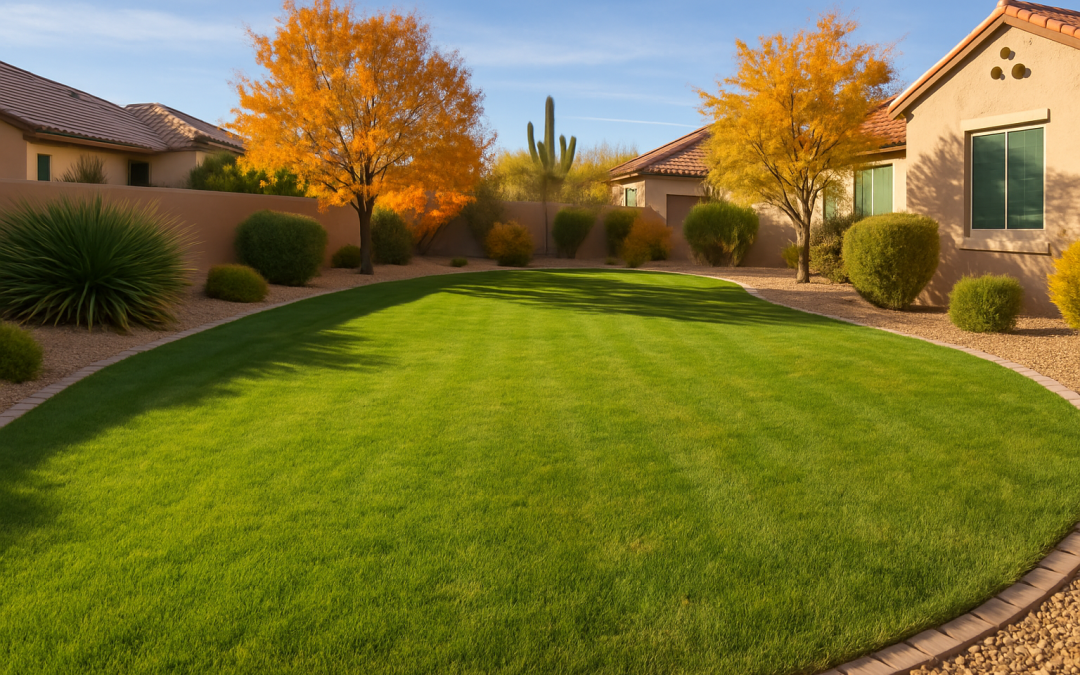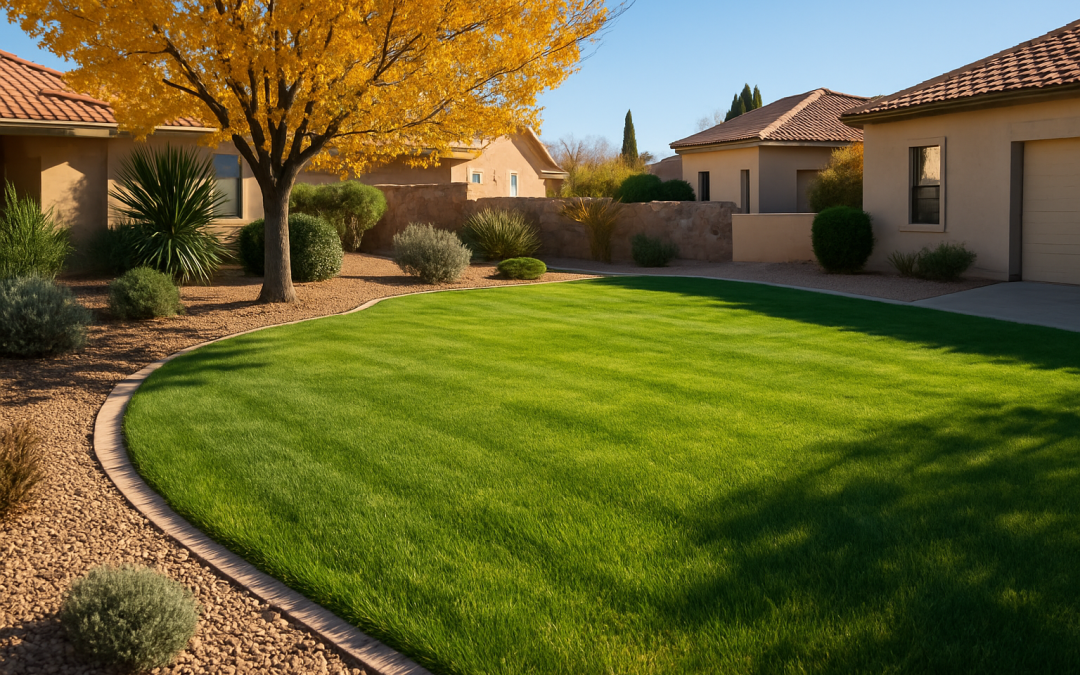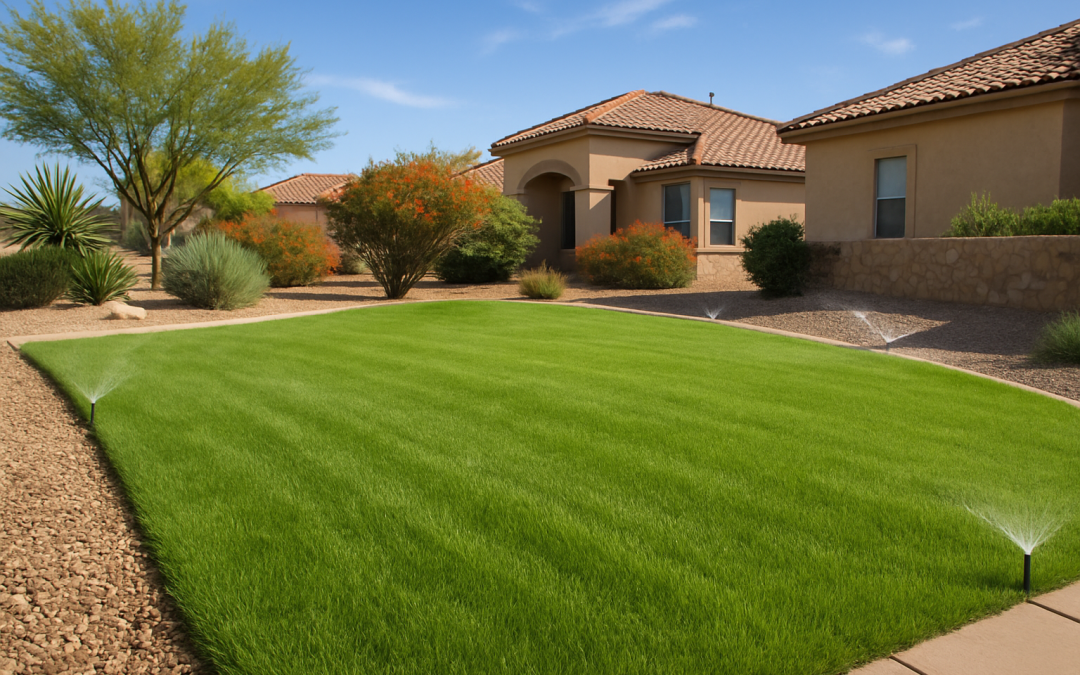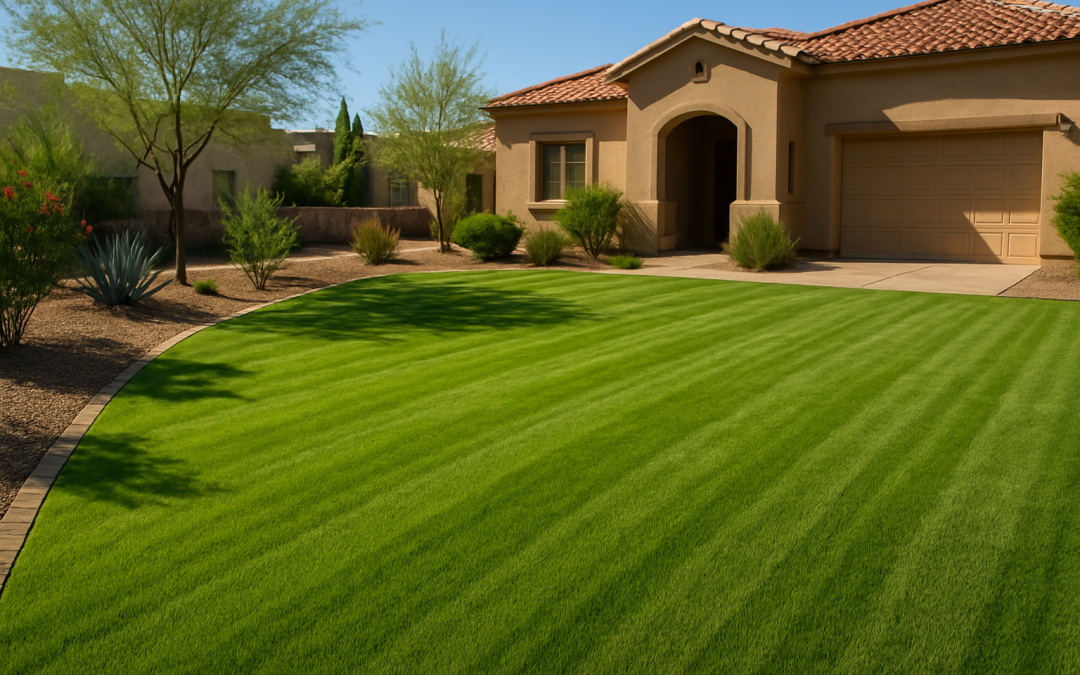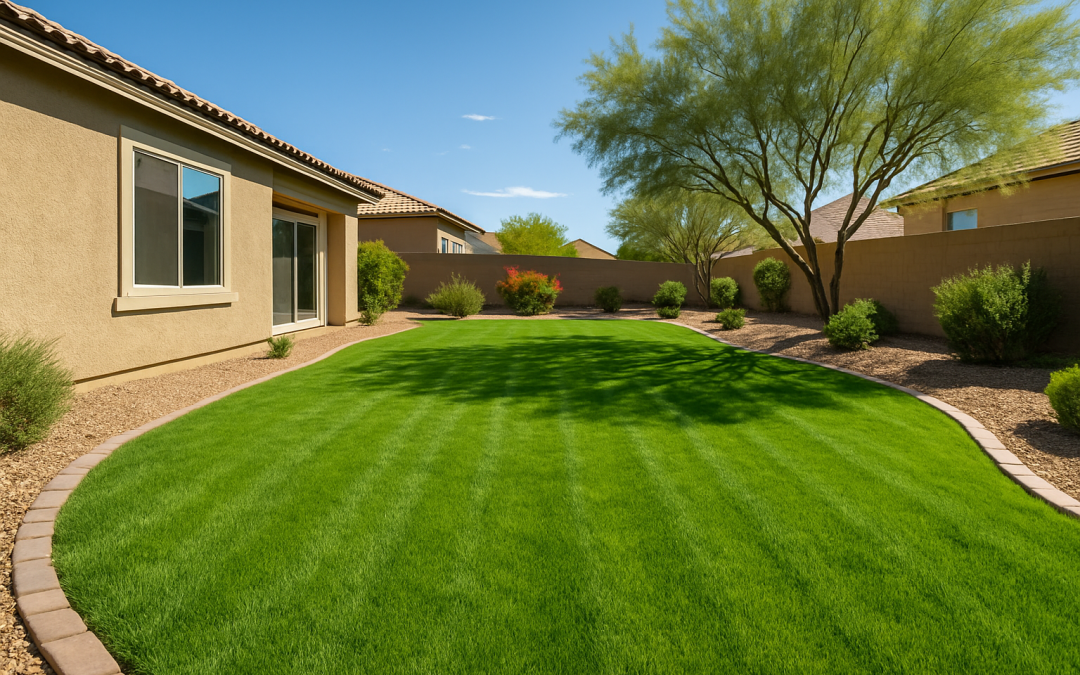
When the scorching Las Vegas summer finally loosens its grip and evening temperatures start to feel almost pleasant, experienced homeowners know it’s time to think about overseeding. That brief window in fall — when soils are still warm but daytime highs have backed off — is your best shot at keeping a lush, green lawn straight through winter and into early spring. Getting the seed choice and the prep work right makes all the difference between a thick emerald carpet and a patchy, disappointing stand.
Why Overseeding Matters in the Las Vegas Valley
Bermuda grass is the backbone of most warm-season lawns across the Las Vegas Valley, and for good reason. Varieties like TifTuf Bermuda and Tifway 419 Bermuda thrive in the desert heat and handle water restrictions better than many alternatives. But once nighttime temperatures consistently dip into the low 50s and below, Bermuda enters dormancy. The turf turns straw-colored and stays that way until warmth returns the following spring.
Overseeding with a cool-season grass — specifically perennial ryegrass — fills that dormancy gap. The ryegrass germinates quickly in the still-warm soil, establishes before the coldest months, and provides color and function all winter long. Come late spring, the ryegrass naturally fades as your Bermuda wakes back up. When timed well, the transition in both directions can be nearly seamless.
Homeowners across Henderson, North Las Vegas, and Boulder City follow the same general rhythm. If you have a Bermuda lawn — whether it’s a newer planting or one that’s been established for years — fall overseeding is the standard practice for year-round green.
Understanding Perennial Ryegrass for Overseeding
Perennial ryegrass is the go-to overseed choice in the low desert, and it’s worth understanding why. It germinates quickly — typically within seven to ten days under good conditions — which is important because you’re working within a relatively narrow weather window. It also tolerates the moderate foot traffic that most residential lawns see, and it produces a fine-textured, deep green appearance that blends nicely over dormant Bermuda.
When shopping for perennial ryegrass seed, you’ll generally encounter a few options: single-variety bags, blends of multiple perennial ryegrass cultivars, and mixes that combine ryegrass with other species. For overseeding a Bermuda lawn in the Las Vegas area, a blend of improved perennial ryegrass cultivars is typically the best route. These blends tend to offer broader disease resistance and more uniform color compared to a single cultivar. Avoid mixes that include other species you don’t need — a straightforward perennial ryegrass blend keeps things simple and predictable.
Look for seed with a high germination rate listed on the tag, minimal weed seed content, and a recent test date. Seed quality matters more than brand loyalty here. A bag of high-purity, high-germination perennial ryegrass from a reputable source will generally outperform a bargain bag with lower numbers on the label.
Seeding Rates
For overseeding an existing Bermuda lawn, most turf professionals in the southwest typically recommend somewhere around eight to twelve pounds of perennial ryegrass seed per thousand square feet. If you’re aiming for a showpiece lawn, lean toward the higher end of that range. For a functional lawn that simply needs winter color, the lower end usually does the job. Going too heavy can create excessive competition that actually slows establishment, so more isn’t always better.
Preparing Your Bermuda Lawn for Overseeding
The seed you choose matters, but so does the stage you set for it. Bermuda lawns need deliberate preparation before overseeding, and skipping steps here is one of the most common mistakes homeowners make.
Mow Low
Start by gradually lowering your mowing height over two to three cuts. The goal is to scalp the Bermuda down to roughly half an inch to three-quarters of an inch — much shorter than your normal summer mowing height. This does two things: it reduces the canopy so seed can reach the soil surface, and it weakens the Bermuda just enough to give the ryegrass room to establish without being smothered.
If you’re maintaining a Tifgreen 328 Bermuda lawn — a variety often kept at putting-green or fairway heights — you may already be close to the target height. For higher-cut Bermuda varieties, the drop will be more dramatic. Bag or rake up all clippings so the seed has direct contact with the soil.
Dethatch Lightly
Bermuda tends to build up a thatch layer over the growing season, especially in the warm Las Vegas climate where it grows aggressively. A light dethatching — using a power dethatcher or even a vigorous pass with a stiff rake on smaller lawns — opens up channels for seed-to-soil contact. You don’t need to be aggressive here; the goal is to thin the thatch mat, not strip it to bare dirt.
Consider a Light Topdressing
After scalping and dethatching, some homeowners lightly topdress with a thin layer of compost or fine soil amendment. This can improve seed contact and help retain moisture around germinating seeds. A quarter-inch layer is generally plenty. If your soil is heavily compite or compacted — common in newer developments around North Las Vegas and Pahrump where fill soils are sometimes used — a core aeration before seeding can also help. For more on preparing desert soils, take a look at our post on soil prep for new sod in the North Las Vegas low desert.
Timing Your Overseed in the Las Vegas Area
Timing is everything with overseeding, and in the Las Vegas Valley the window is typically mid-September through mid-October. You want soil temperatures that are still warm enough for quick germination — generally in the mid-60s to low 70s at a two-inch depth — but air temperatures that won’t stress tender seedlings with triple-digit heat.
If you seed too early while daytime highs are still extreme, the young ryegrass can struggle with heat stress before it’s well-rooted. Too late, and cooler soil temperatures slow germination, giving weeds a chance to fill in first. Homeowners in slightly higher-elevation areas like Boulder City may find their window shifts a week or so earlier compared to the valley floor, since temperatures tend to cool a bit sooner there. Pahrump, sitting at a higher elevation to the west, can also see earlier cooling, so adjust your timing accordingly.
Watering for Successful Germination
Once the seed is down, moisture management becomes your primary job. Perennial ryegrass seed needs consistent surface moisture to germinate. That typically means light, frequent watering — several short cycles per day for the first seven to ten days. The soil surface should stay damp but not waterlogged.
After germination, gradually transition to deeper, less frequent watering to encourage root development. Within about three weeks of the first mowing, most overseeded lawns can move to a normal cool-season irrigation schedule. In the Las Vegas area, where humidity is low and evaporation rates are high, you may need to run those initial germination cycles more frequently than you would in a more humid climate. Keep an eye on the soil rather than relying solely on a timer.
Fertilizing Your Overseeded Lawn
A light application of a starter-type fertilizer at seeding time can help the ryegrass establish more quickly. These fertilizers are typically higher in phosphorus, which supports root development. Follow the label rates — more is not better with fertilizer, and excess nitrogen at seeding can actually encourage the Bermuda to compete with the ryegrass rather than going dormant gracefully.
Once the ryegrass is established and you’ve mowed it a few times, a balanced fertilizer application every four to six weeks through the winter generally keeps things looking good. Las Vegas soils tend to be alkaline, so choosing a fertilizer that includes iron can help maintain that deep green color without pushing excessive top growth.
Mowing Your Overseeded Lawn Through Winter
Perennial ryegrass in the Las Vegas area typically does well at a mowing height of about one and a half to two and a half inches through the winter months. Mow regularly — generally once a week or as needed — and never remove more than a third of the blade height at once. Keeping the ryegrass at a consistent height encourages density and discourages weeds.
As spring approaches and your Bermuda starts to green up underneath, you’ll want to begin the transition process. Gradually lowering the mowing height and reducing irrigation frequency helps the ryegrass thin out naturally, giving the Bermuda room to reclaim the lawn.
Choosing the Right Base Lawn for Overseeding Success
It’s worth noting that your overseeding results depend heavily on the health and variety of your underlying warm-season lawn. A well-maintained Bermuda lawn provides the ideal canvas for a perennial ryegrass overseed. Varieties like Tifway II Bermuda and TifTuf Bermuda are popular choices across the Las Vegas Valley for their density, drought tolerance, and ability to transition smoothly in and out of overseed cycles.
Some homeowners in Henderson and surrounding communities maintain tall fescue lawns instead. Tall fescue, like the Trophy Plus Tall Fescue we carry, is a cool-season grass that generally stays green year-round in the Las Vegas climate without needing to be overseeded at all. So if you’re tired of the annual overseed routine and would prefer a lawn that handles both summer heat and winter cold on its own, tall fescue is well worth considering for your next lawn project.
Next Steps for Your Lawn
Fall moves quickly in the desert, and the overseeding window doesn’t stay open long. Take the time now to line up your perennial ryegrass seed, prep your mower for a low cut, and plan your watering schedule. Whether you’re working with an established Bermuda lawn or thinking about starting fresh, the team at SodShop’s Las Vegas location can help you find the right sod and plan your project. Browse our full selection and learn more about what we offer at SodShop — we’re here to help Las Vegas homeowners enjoy a great-looking lawn in every season.